What is sustainable farming?
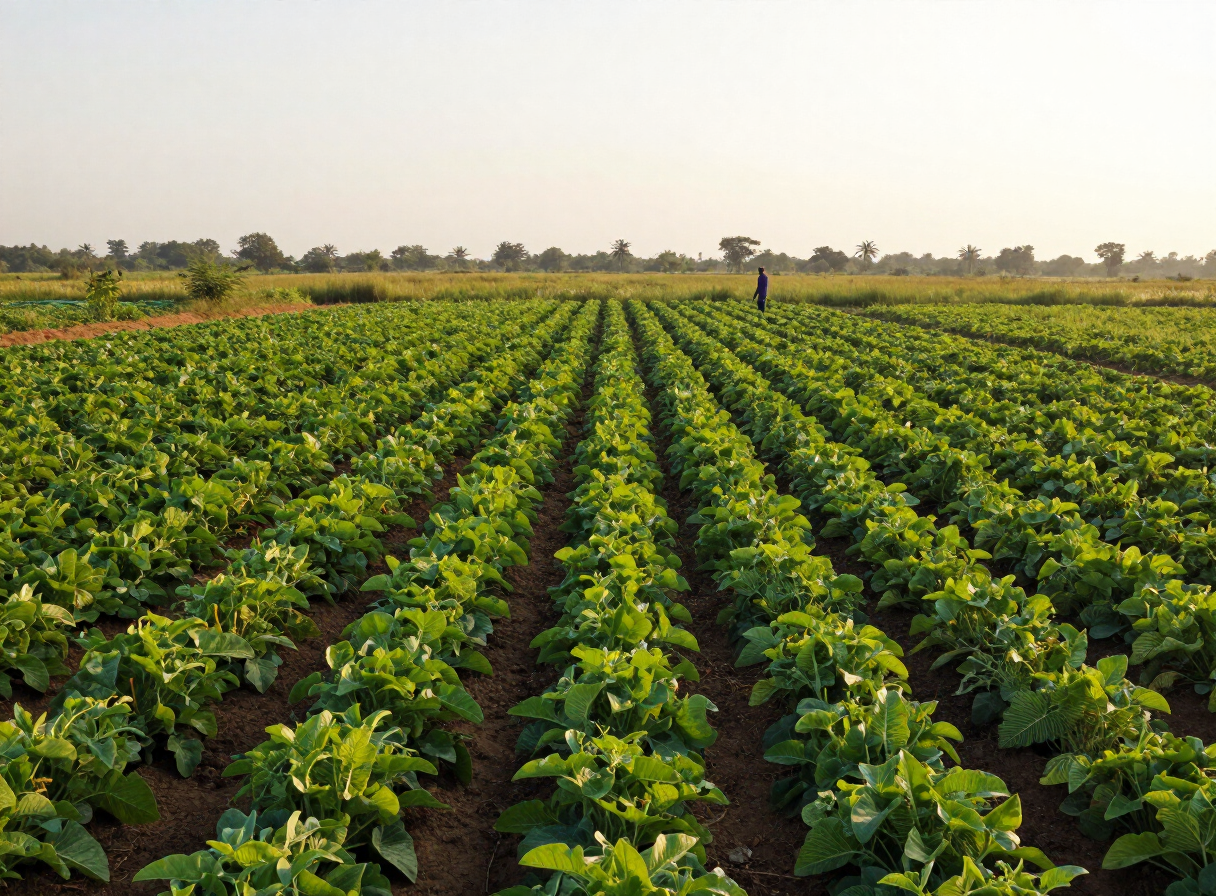
Sustainable farming is the practice of producing food in a way that protects the environment, the farmer and the community for generations to come.
It uses nature as a teacher and a partner — not as a resource to be mined.
Five pillars
Healthy soil, clean water, diverse crops, fair livelihood for the farmer and resilience against climate change. Every practice on a sustainable farm should serve at least one of these pillars.
Practices to adopt
- 1
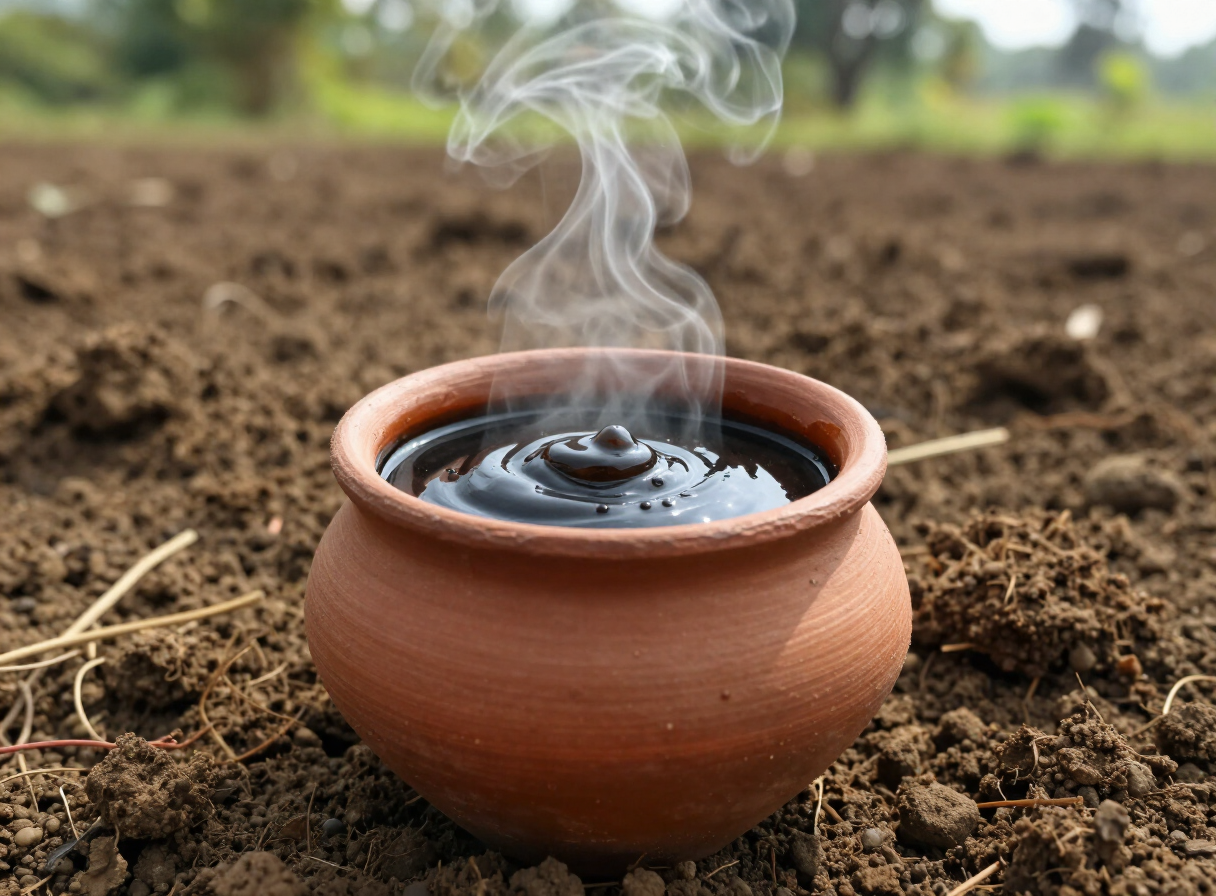
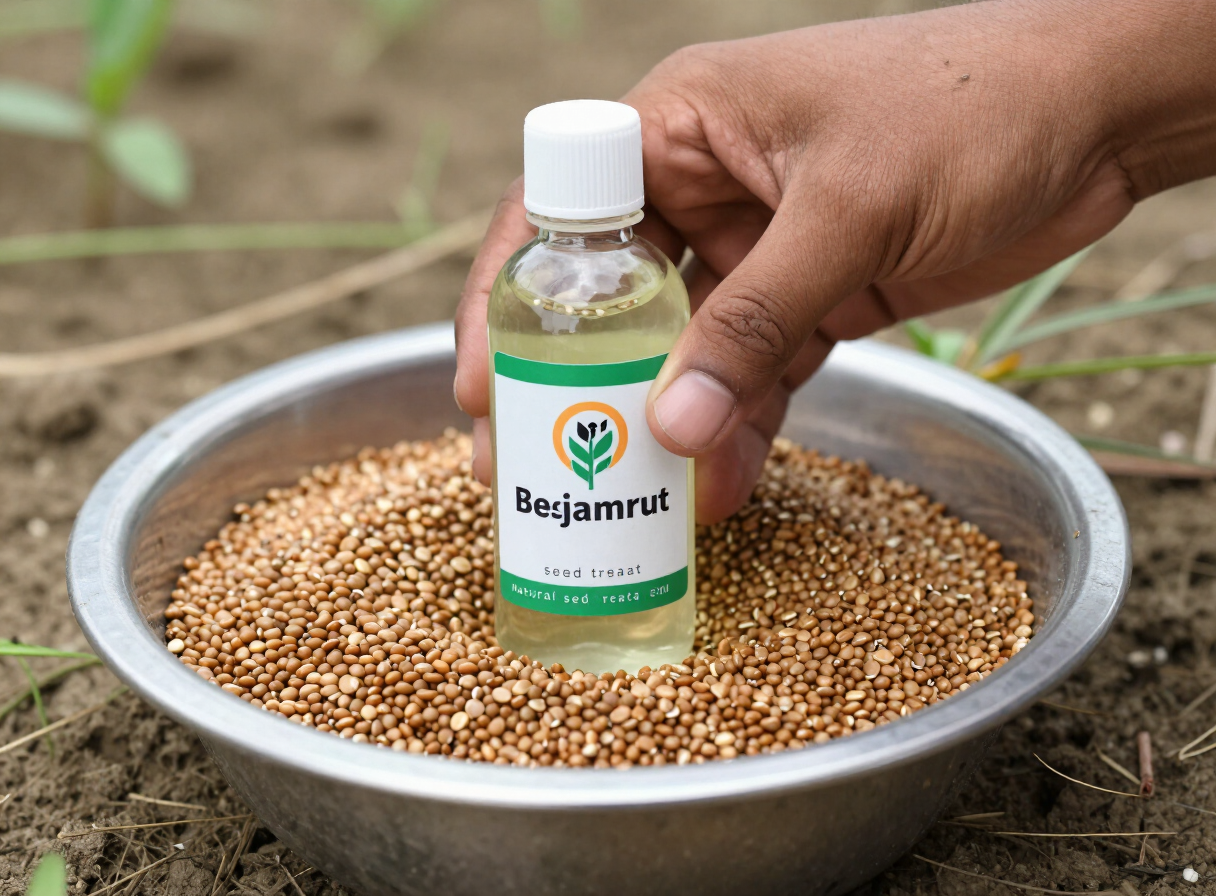
Use Jeevamrut and other natural inputs instead of synthetic fertilizers.
- 2
Rotate crops and grow at least three families together.
- 3
Mulch the soil — never leave it bare.
- 4
Harvest rainwater with farm ponds or bunds.
- 5
Plant trees on bunds for shade, fodder and timber.
- 6
Sell directly to consumers wherever possible.
Why it works
Benefits
- Reduces cost of cultivation by 30–60%.
- Improves nutritional value of produce.
- Restores groundwater and biodiversity.
- Builds resilience against erratic weather.
- Keeps farmers free from debt and chemicals.