What are Bio Enzymes?
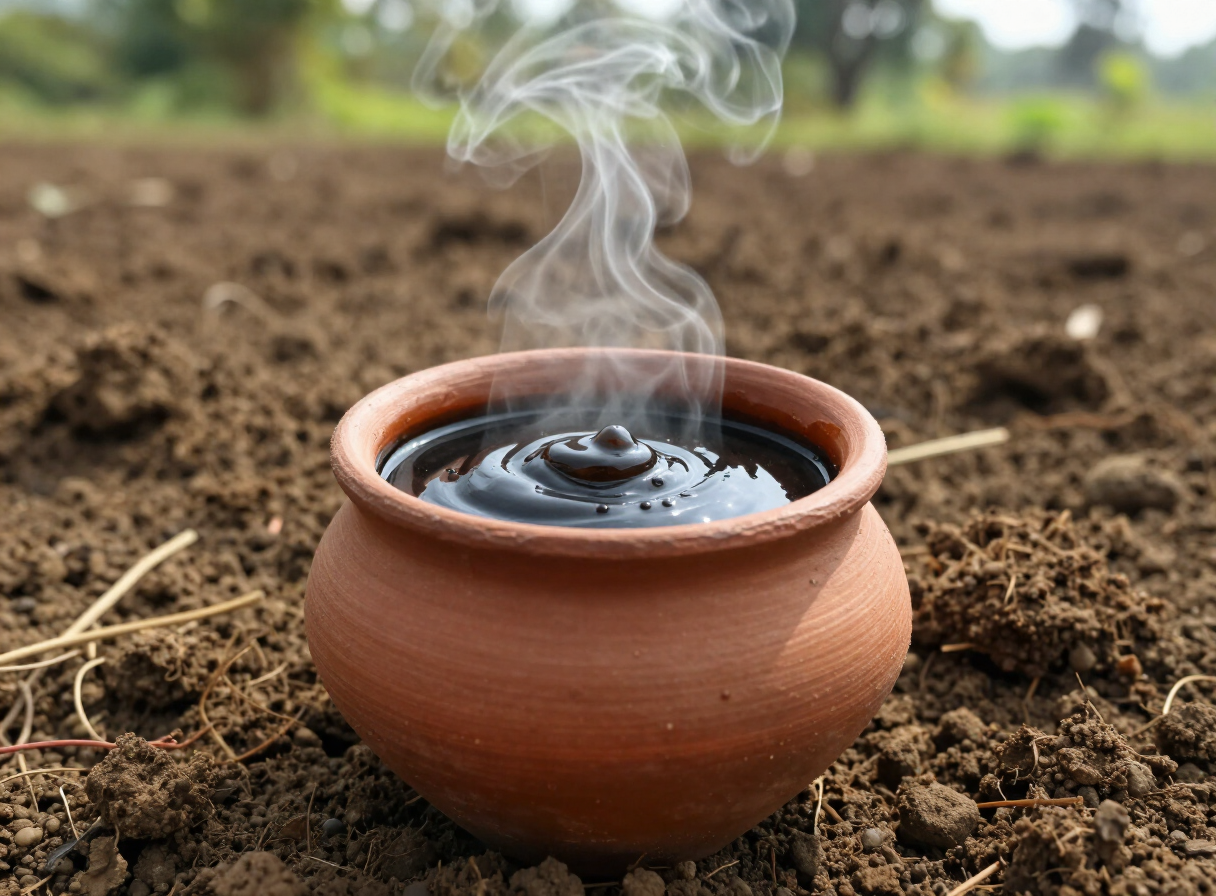
Bio Enzymes (also known as Garbage Enzymes or Eco-Enzymes) are complex, fermented biological solutions developed by Dr. Rosukon Poompanvong of Thailand. They are produced by fermenting organic fresh citrus fruit peels, unrefined jaggery, and water in anaerobic conditions.
Rich in acetic acid, natural enzymes, minerals, and probiotic microorganisms, Bio Enzymes break down chemical residues, condition compacted soils, and naturally dissolve pest honeydew and fungal crusts on leaves.
The 1 : 3 : 10 Golden Formula
- 1 part unrefined jaggery (or raw molasses)
- 3 parts fresh citrus peels (lemon, sweet lime, orange) or papaya peels
- 10 parts clean non-chlorinated water
- A wide-mouth plastic container with an airtight screw cap (leave 20% air gap)
Fermentation Procedure (90 Days)
- 1
Dissolve jaggery completely in water inside the plastic container.
- 2
Add clean, fresh citrus peels. Close the lid tightly.
- 3
Month 1: Open the cap slightly once daily to release built-up fermentation gases (burping), then reseal.
- 4
Months 2–3: Keep sealed in a cool, shaded corner. Gas production will taper off as fermentation matures.
- 5
Day 90: Strain the fragrant, golden-brown liquid through a fine sieve. The bio-enzyme is ready for indefinite storage.
Application on Crops and Soil
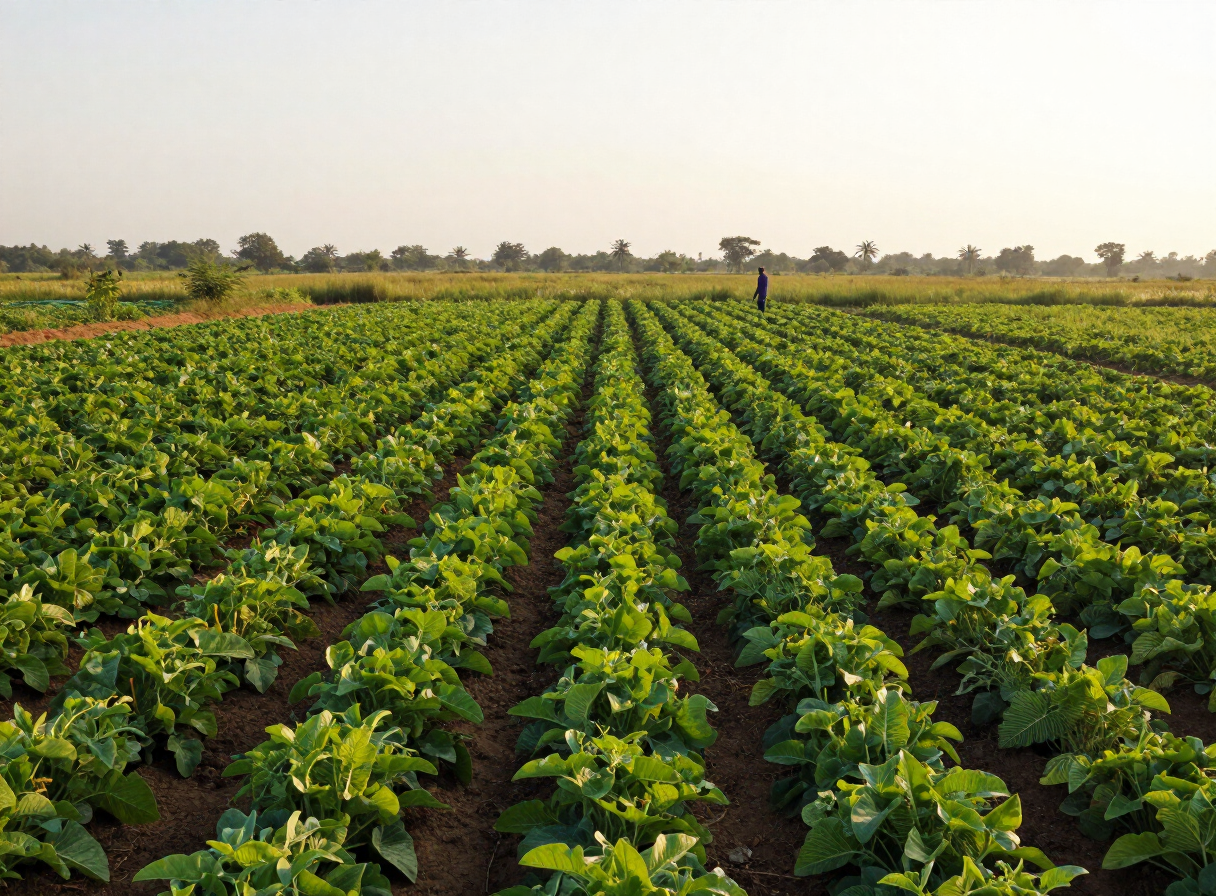
Soil Drenching: Dilute 1 ml to 2 ml of Bio Enzyme per 1 litre of water (1:500 ratio). Apply near roots to dissolve mineral locks and improve drainage.
Foliar Cleaning: Dilute 1:1000 for regular misting. Naturally cleans dust and sooty mold while enhancing photosynthetic capacity.
Soil and Plant Benefits
- Zero waste practice: converts fruit peels into agricultural gold.
- Neutralizes soil alkalinity and aids in solubilizing locked phosphorus.
- Repels pests like fruit flies and aphids through organic citrus terpenes.
- Restores microbial vitality in chemically fatigued or salt-affected soils.