The Chemical Debt Trap
For decades, Indian farmers were told that higher yields required escalating bags of synthetic urea, DAP, and costly chemical pesticide sprays. Over time, soil biology collapsed, pests developed immunity, input costs skyrocketed, and farmers fell into spiraling debt.
When the soil becomes dead dirt, farming ceases to be sustainable.
The Turning Point with Natural Inputs
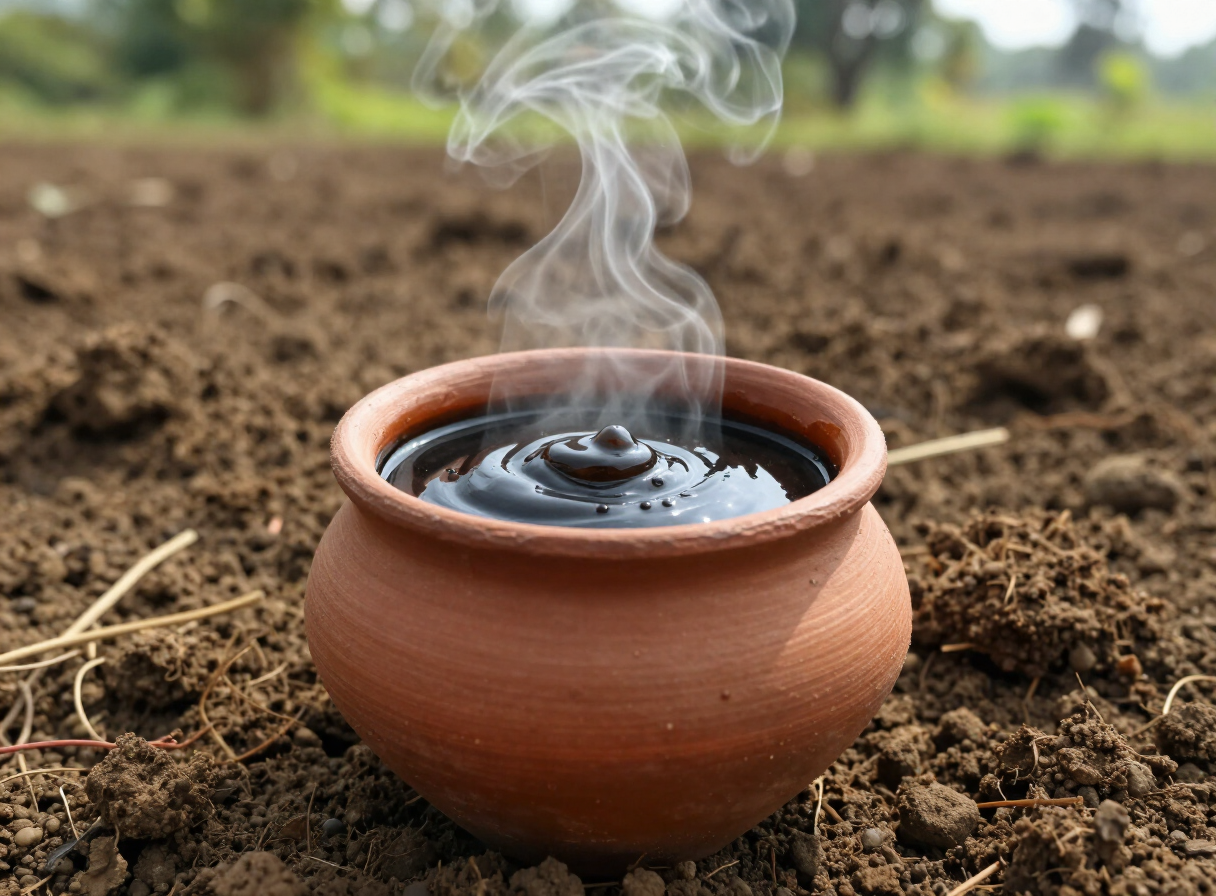
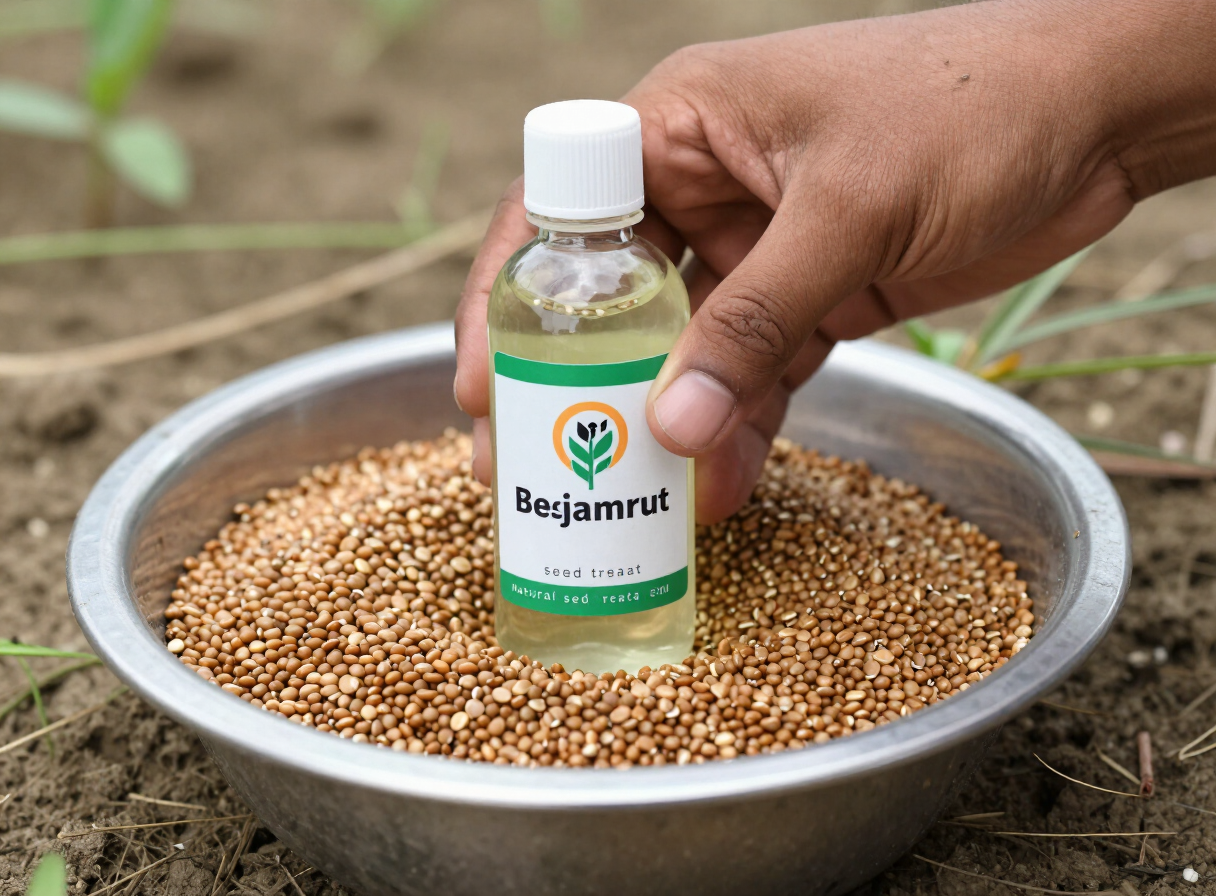
By adopting on-farm biological preparations—Jeevamrut, Beejamrut, mulching, and green manuring—farmers in our Gujarat and Rajasthan collectives slashed their input costs by over 80% in the very first season.
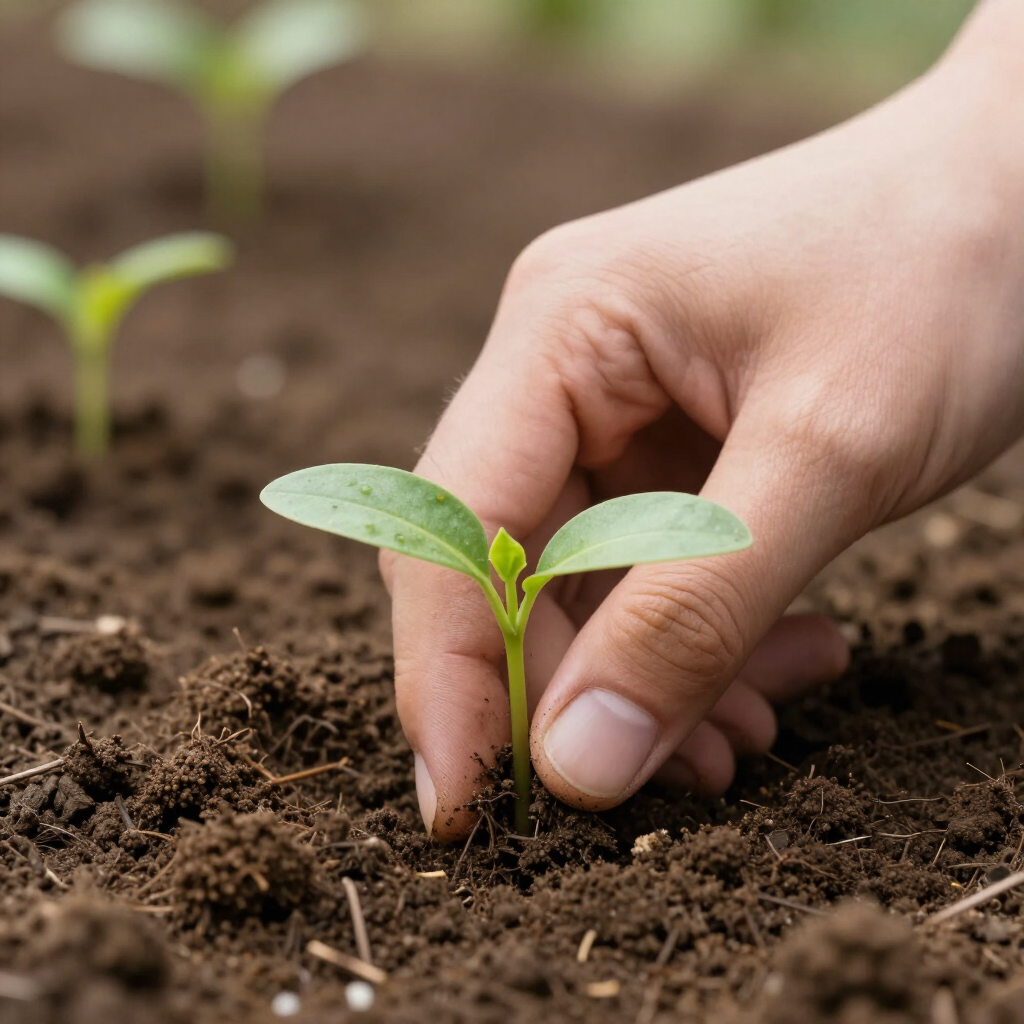
Earthworms returned within months, groundwater retention doubled, and spice yields stabilized into resilient, high-potency harvests commanding premium organic prices.
Why it works
Lessons from the Living Soil
- Zero input debt: farmers produce 100% of soil boosters from native cows and farm biomass.
- Resilient crop vigor: natural farming stands strong during drought and heatwaves.
- Pride and independence: restoring self-respect and economic sovereignty to farming families.
- Pure, honest food connecting conscious consumers with the soil stewards who nurture it.